Art Loans: Borrow Against Your Art Collection
An art loan lets you raise a large sum against a painting, a sculpture or a whole collection without selling it. The art is the security, so the lender looks first at what the work is worth and whether you clearly own it. Loans run from £1m up to £200m+ for individuals, companies and trusts.
We arrange art loans through private lenders. Each case is considered on its merits, which means the terms are agreed for your collection rather than taken from a fixed product sheet.
Art Loans at a Glance
| Loan size | £1m up to £200m+ |
| Loan term | 6 months to 3 years |
| Loan to value | 50% to 60% of the value of the art |
| Borrowers | Individuals, companies and trusts |
| Location of the art | UK or abroad, agreed case by case |
| Art stays with you? | Sometimes, depending on the lender and the work |
| Fees | Agreed case by case |
What Is an Art Loan?
An art loan is a short to medium term loan secured on art you own. You receive funds now, you repay within the agreed term, and the security is released when the loan is cleared. Because the lender relies on the art, your income and credit history matter less than they would for a conventional bank loan.
The terms are closer to a bridging loan than to a long-term mortgage. Most borrowers use an art loan for a defined period, with a clear plan for how it will be repaid.
Which Art Can Be Used?
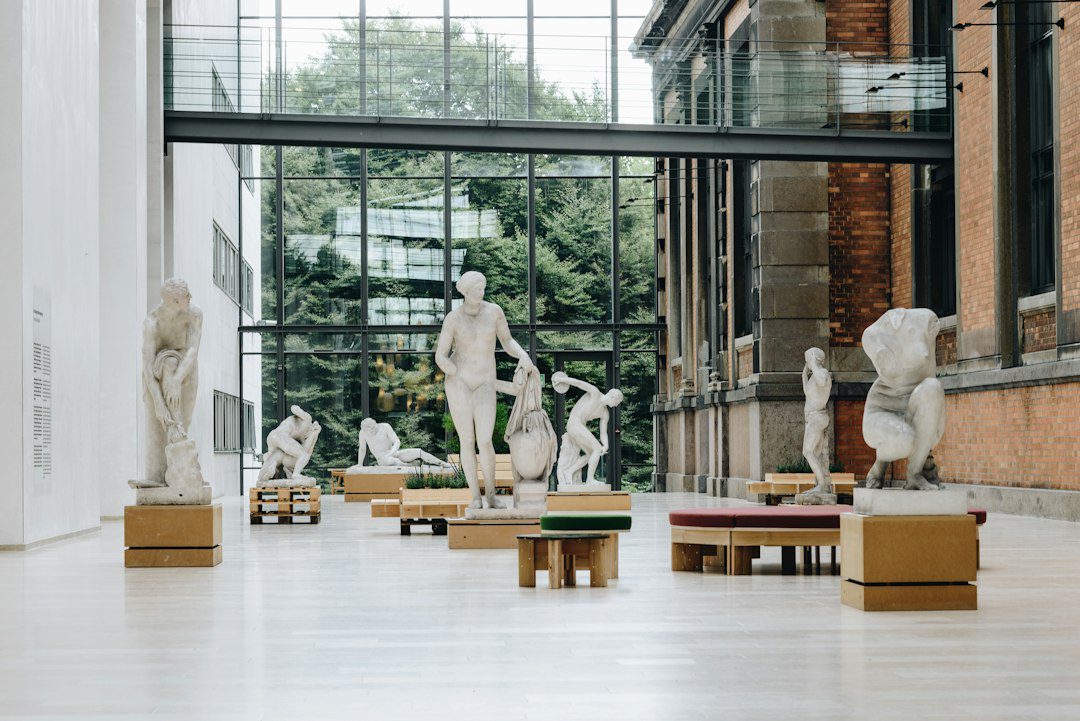
Lenders prefer works that are easy to value and easy to sell if they ever need to. The strongest candidates are:
- Paintings by established artists, from Old Masters to modern and post-war names.
- Sculpture by recognised artists with a clear sales record.
- Contemporary works by artists with a track record at auction and in major galleries.
- Prints, drawings and photographs where the edition and provenance are well documented.
Works by lesser-known artists, or pieces with a thin sales record, are harder to place with a lender. They are not ruled out, but expect a lower loan to value or a request for more security.
Single Work or Whole Collection?
You can borrow against one major piece or against several works pledged together. A single work gives the lender one asset to value and one market to rely on. A collection spreads the risk, and a lender may be more comfortable with a diverse group of works than with one concentrated holding.
If you want to keep some pieces out of the loan, say so at the start. We can ask lenders to consider only the works you choose to pledge.
What Do Lenders Look For?
- Clear title. You must be able to show you own the work outright, or that any co-owner agrees to the loan.
- Provenance. A documented history of ownership, such as invoices, exhibition records and catalogue entries.
- Authenticity. Evidence the work is genuine, including any catalogue raisonne listing or expert opinion.
- Market depth. Recent sales of comparable works, so the lender can see the art could be sold.
- Condition. A report on the state of the piece and any restoration.
- A clear exit. How you plan to repay the loan within the term.
How Is the Art Valued?
The lender will usually want an independent valuation from a recognised specialist, rather than relying on a figure you supply. For works of very high value, more than one valuation may be requested. The loan is then set as a percentage of the value the lender accepts, which is why the lending figure can differ from a price you have been quoted privately or seen at auction.
Art values can move, so some lenders ask for the valuation to be refreshed during the term of a longer loan.
When an Art Loan Makes Sense
- You need funds quickly but do not want to sell a work you expect to hold or that has family or sentimental value.
- A sale now would mean accepting a poor price, because the market is weak or the work is not yet in demand.
- You want to buy another work, or a property, and need the funds before another asset is sold.
- You need working capital for a business or a project and hold art as your main spare asset.
- You are waiting for a sale, a legal settlement or an estate to complete, and need to bridge the gap.
Borrow or Sell?
| Borrow against the art | Sell the art |
| You keep ownership and any rise in value | You give up ownership and future gains |
| Funds are limited to 50% to 60% of value | You receive the full sale price, less costs |
| The loan must be repaid within the term | No repayment is needed |
| Interest and fees apply | Seller costs and possible tax apply |
| The art may be sold if the loan is not repaid | The decision is final once sold |
If you are likely to sell in any case, a loan can be a bridge to a better-timed sale. If you want to keep the work for the long term, you need a realistic repayment plan.
Where the Art Is Kept
This depends on the lender and the work. Some lenders will leave the art in your possession, for example hanging in your home, provided it is properly insured and the lender is satisfied with the arrangements. Others prefer it held in a secure storage facility or a bonded warehouse. Art held abroad can sometimes be used, and we will tell you early on whether the location is likely to cause difficulty.
Storage and Insurance
The lender will expect the art to be insured for its full value throughout the loan, with the lender noted on the policy. If the art is stored, storage costs are normally paid by the borrower. Check that your existing insurance covers the work while it is in storage or in transit.
How an Art Loan Works
- Tell us about the art. Send details of the artist, the work, its provenance and the amount you want to borrow.
- We approach lenders. We put the case to lenders who consider your type of art and loan size.
- Valuation and checks. The lender instructs a valuation and checks title, provenance and condition.
- Terms and legal work. You receive the proposed terms. If you accept, the loan documents and security are prepared.
- Funds released. Once the security is in place, the funds are paid to you.
Art Plus Property
Some borrowers offer art together with property as security, which can support a larger loan or a lower loan to value on each asset. If you own property in the UK or abroad, see our page on bridging loans. If you hold a portfolio of shares or bonds, see securities lending.
What Does an Art Loan Cost?
Costs vary between lenders and between cases, so we do not quote a single figure. Expect interest, an arrangement fee, and the costs of valuation, legal work and insurance. You will see the full cost in the proposed terms before you commit, so you can compare it with the cost of selling.
Recourse and Non-Recourse Art Loans
With a recourse loan, the lender can look to you personally for any shortfall if the art is sold for less than you owe. With a non-recourse loan, the lender can only look to the art. Non-recourse terms usually mean a lower loan to value or higher pricing. Ask which applies before you sign.
Repaying the Loan
Because the terms are 6 months to 3 years, you need a plan for repayment from the start. Common routes are:
- Selling the art, or another asset, within the term.
- Refinancing onto a new loan or facility.
- Repaying from business profits, an investment sale or an inheritance.
Tell us your plan at the outset. Lenders are more comfortable when the exit is clear and realistic.
Confidentiality
Many owners want to keep their borrowing private. We share details only with lenders who are considering your case, and we can ask lenders about their confidentiality arrangements before you provide full details of your collection.
Why Use a Broker for an Art Loan?
- Access. Art lenders are a small group, and we know which ones consider your type of work and loan size.
- Presentation. A well-prepared case, with provenance and valuation in order, is easier to place.
- Comparison. You see more than one set of terms, so you can judge what is reasonable.
- One point of contact. We stay with the case through valuation, legal work and completion.
Risks to Know About
- The art may be sold. If the loan is not repaid, the lender can sell the art to recover what it is owed.
- Values can fall. A lower valuation during the term can lead to a request for more security or part repayment.
- Costs add up. Interest, fees, valuation, legal work and insurance all reduce the benefit of borrowing.
- Short terms. Repayment falls due within 6 months to 3 years, so you need an exit plan.
- Loans to individuals. Depending on how the loan is structured and used, consumer credit rules may apply to a loan to an individual. Take advice on your own position before you proceed.
Art Loans FAQs
How much can I borrow against art?
Loans start at £1m and can reach £200m+. The amount is usually 50% to 60% of the value of the art.
How long is an art loan?
Terms run from 6 months to 3 years.
Can I keep the art at home?
Sometimes. It depends on the lender, the work and the insurance and security in place. Some lenders require storage.
Can a company or trust borrow?
Yes. We arrange art loans for individuals, companies and trusts.
Can I borrow against art held abroad?
In many cases yes. The location is looked at case by case, as it affects how the lender can enforce its security.
Do I need a valuation?
Yes. The lender will normally instruct an independent valuation from a recognised specialist.
Can I borrow against several works together?
Yes. Pledging a group of works can spread the lender risk, and you can choose which pieces to include.
What if I cannot repay?
The lender can sell the art to recover the loan. Talk to us early if your plans change, as there may be options such as an extension or refinance.
How quickly can funds be released?
It depends on how quickly valuation, title checks and legal work are completed. Having your provenance papers ready helps.
What are the fees?
Fees are agreed case by case and depend on the lender and the loan. You will see them in the proposed terms before you commit.
Loans are secured on your art. If the loan is not repaid, the art may be sold.
Tell us about your collection using the form and we will say whether a lender may consider it.