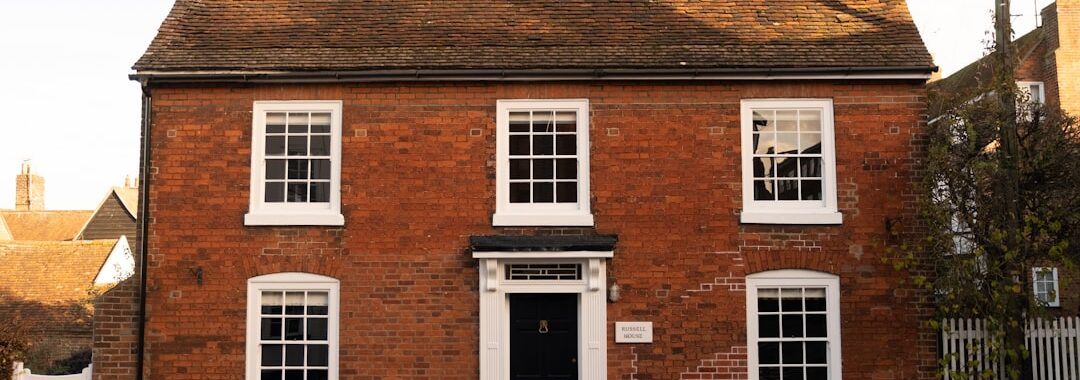
Listed Buildings Mortgages
Listed Buildings Mortgages are specialist mortgage solutions for purchasing, refinancing or improving properties with listed status. A listed building is not automatically unmortgageable, but the property’s grade, condition, construction and any restrictions on alterations can significantly affect the choice of lender and the terms available.
Whether you’re buying a Grade I, Grade II* or Grade II listed property, lenders will typically want to understand the property’s marketability, condition, valuation and any restrictions affecting future works. Listed buildings can require specialist maintenance and may be subject to listed building consent, which can add complexity to renovation, conversion or development projects.
Finance can be available for a wide range of listed properties, including Georgian townhouses, period cottages, converted barns, historic houses and other residential or commercial buildings. Some lenders are also able to consider properties requiring refurbishment, provided the proposed works and exit strategy meet their lending criteria.
The right lender will depend on the property’s listing grade, construction, condition, intended use, proposed works and the borrower’s circumstances. Specialist mortgage advice can help identify lenders comfortable with listed properties and assess the finance options before you commit to the purchase.
What Makes a Building “Listed”
A listed building is officially recognised for special architectural or historic interest and protected under UK law. In England, listed buildings are recorded on the National Heritage List for England, maintained by Historic England, with equivalent registers maintained by Historic Environment Scotland, Cadw in Wales, and the Northern Ireland Environment Agency. Once listed, most alterations require formal listed building consent from the local authority, separate from standard planning permission.
The Three Grades in England and Wales
Grade I buildings are of exceptional interest and make up only around 2.5% of all listings – typically churches, cathedrals, and buildings of genuine national significance. Grade II* covers particularly important buildings of more than special interest, around 5.5-6% of listings. Grade II, the category covering roughly 91-92% of all listed buildings, covers properties of special interest warranting preservation – this is by far the most common grade, and the one most homebuyers encounter.
Scotland and Northern Ireland Use Different Systems
Scotland categorises listed buildings as A, B, or C, while Northern Ireland uses Grade A, B+, and B1/B2, broadly following a similar principle of decreasing significance.
Why Grade Genuinely Determines Your Lender Pool
Grade II properties, given how common they are, are widely accepted by mainstream high street lenders on a case-by-case basis, commonly at loan-to-values up to 80-85% for a property in clean condition. Grade II* generally requires a specialist building society willing to manually underwrite the application. Grade I is the most restrictive, typically requiring private banks or a small number of specialist heritage lenders, though it’s worth being clear that Grade I genuinely is mortgageable – at least 18 UK lenders are known to offer Grade I listed building finance.
Why Lenders Treat Listed Property More Cautiously
Listed buildings are generally classified by lenders as non-standard construction – our Non-Standard Construction Mortgages page covers this broader category in detail, worth reading alongside this page since many of the same lenders and considerations apply. The caution stems from several genuine factors: a smaller resale market than standard modern housing, restrictions on alterations that can make future repairs or improvements more complicated, and often higher maintenance costs given the specialist materials and tradespeople – thatchers, for example – that genuine like-for-like repair can require.
Deposit and Loan-to-Value Expectations
Most listed building mortgages require a deposit of at least 20-25%, with maximum loan-to-value commonly capped around 80%, though this varies considerably by grade, construction type, and lender. Some lenders will consider a smaller deposit, around 10%, for borrowers with strong income and a straightforward Grade II property.
Why Construction Type Matters Alongside Grade
The grade itself is only part of the picture – the actual construction method genuinely affects which lenders will consider your application, regardless of grade. Thatched roofs, cob construction, timber framing, and stone all add a layer of specialist assessment beyond the listed status alone.
Checking the Consent History Before You Commit
One of the most important pieces of due diligence for any listed property purchase is confirming that any past alterations were carried out with proper listed building consent. Unauthorised changes made by previous owners can create genuine legal exposure for the current owner. It’s worth having your solicitor investigate this specifically as part of your legal searches.
Buildings Insurance Needs Specific Attention
Standard buildings insurance often doesn’t adequately cover the specialist materials and methods required to repair a listed property correctly, and it’s worth confirming your policy genuinely covers appropriate traditional, like-for-like repair rather than assuming a standard policy will suffice. Our Home Insurance page covers this consideration in more detail.
Mortgage Terms and Length Restrictions
Some lenders cap the maximum term available on listed building mortgages below the standard 25-30 years typical of a conventional purchase, sometimes to 20 or 25 years specifically for heritage properties. This term cap is worth checking carefully, since it can meaningfully increase your monthly payment.
Buy-to-Let and Investment Purchases
Listed buildings aren’t limited to owner-occupier residential purchases – buy-to-let finance is also available for listed property, though the same grade and construction considerations apply. Our Buy-to-Let Mortgages page covers the general principles of rental property financing worth understanding alongside the listed-specific considerations here.
Acreage, Outbuildings and Estate-Style Properties
Given listed buildings are, by definition, generally older properties, they often come with acreage, outbuildings, or estate-style land that a standard residential mortgage isn’t designed to accommodate. Our Rural Mortgages page covers how lenders assess this kind of combined property.
Flats Within a Listed Building
If you’re buying a flat within a larger listed building rather than a standalone house, it’s worth understanding that maintenance and alteration responsibilities are often collectively shared across the whole building, which can add a layer of complexity beyond a standalone listed house.
Getting Local Context From a Conservation Officer
Your local authority’s conservation officer can be a genuinely useful source of information about a specific listed property – what’s protected, what kind of alterations have historically been approved nearby, and any planning considerations specific to the building.
Frequently Asked Questions
Can I get a mortgage on a Grade I listed building?
Yes, though it requires a specialist private bank or heritage lender rather than a mainstream high street bank – at least 18 UK lenders are known to offer this, so it’s genuinely achievable with the right broker.
Is Grade II listed property difficult to mortgage?
No, generally not – Grade II covers around 91-92% of all listed buildings and is widely accepted by mainstream lenders on a case-by-case basis.
How much deposit do I need for a listed building mortgage?
Typically at least 20-25%, though this varies by grade, construction type, and lender.
Does standard buildings insurance cover a listed property?
Not always – it’s worth confirming your policy covers appropriate like-for-like repair using traditional materials, ideally through a heritage-aware insurer.
What if a previous owner made unauthorised alterations?
This can create genuine legal liability for the current owner – worth having your solicitor investigate consent history thoroughly before you commit to a purchase.
Get in touch with details of the property and its grade, and we’ll help you find a lender genuinely equipped to finance your listed building purchase.