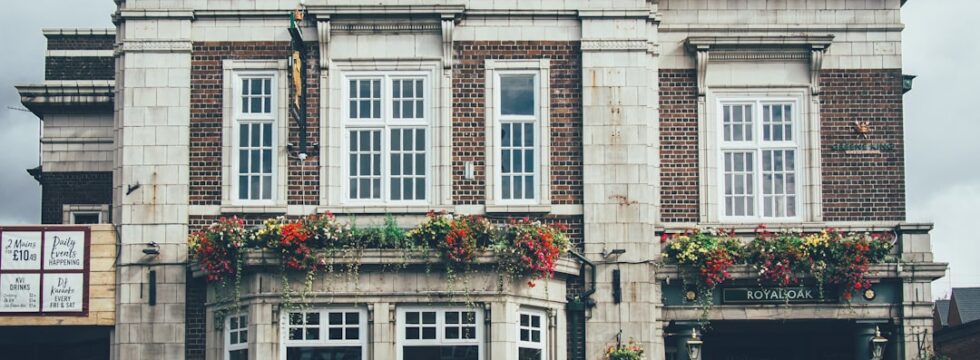
Pub & Restaurant Mortgages
Buying a licensed premises involves genuinely specialist lending – trading accounts, sector outlook, licensing status, and lease structure all come together in a way that’s fundamentally different from a straightforward office or retail purchase. Get the details right, and a freehold pub or restaurant is genuinely financeable at competitive terms.
What a Pub or Restaurant Mortgage Covers
A pub or restaurant mortgage funds the purchase, refinance, or development of a licensed hospitality premises – traditional pubs, gastropubs, restaurants, bars, and similar trading businesses. Our Occupier Mortgages page covers buying to run the business yourself; our Investment Mortgages page covers acquiring the freehold to let to an operator, which requires a demonstrable tenant and genuinely strong lease terms.
How Lenders Value a Trading Pub
Rather than a standard comparable-sales valuation, a trading, profitable pub is typically assessed using a going-concern method, capitalising the Adjusted or Actual Net Profit at a yield appropriate to the pub type, location, and quality of trade. Our piece on buying a business that comes with property covers this valuation method in genuinely more depth, including TUPE staff transfer and VAT considerations relevant to a licensed trade acquisition specifically.
Worked Example
Consider a freehouse generating £95,000 of Actual Net Profit, capitalised at a 9% yield. This gives a trading valuation of roughly £1,056,000. At 65% loan-to-value, the maximum mortgage would be around £686,000, regardless of what the vendor is actually asking for the property – a genuinely important distinction from residential valuation, where the sale price and mortgage valuation are usually closely aligned.
Deposit and Loan-to-Value
Most pub and restaurant mortgages require a deposit of 30-45%, with lenders offering up to 65-75% loan-to-value for a well-trading freehold. Leasehold or wet-led premises – those generating income primarily from alcohol sales rather than food – commonly require a deposit toward the higher end of this range.
Why Free-of-Tie Status Genuinely Matters
A free-of-tie pub, meaning the operator isn’t contractually obligated to buy beer and other products from a specific brewery, typically attracts considerably better lender appetite than a tied house, since a free-of-tie operator has genuinely more control over margins and supplier choice, translating into a more resilient trading business from a lender’s perspective.
Wet-Led vs Food-Led and Diversified Income
Pubs generating income primarily from alcohol sales are generally viewed as higher risk than food-led premises or those offering accommodation, since diversified income streams provide more resilience against a downturn in any single revenue category. It’s worth presenting a genuinely accurate breakdown of your trading mix – wet, dry, and accommodation income – as part of any application.
How Restaurants Are Assessed Differently
Restaurants are typically assessed against covers, average spend per head, EBITDA, and location, rather than the ANP capitalisation method more common for pubs, though the underlying principle of lending against genuine trading performance remains consistent across both.
The Premises Licence: A Genuine Prerequisite
Lenders will want to confirm the Premises Licence is in force with no outstanding reviews or conditions that could affect trading, and that it transfers appropriately to the new owner or operator. In England and Wales, this transfer is governed by the Licensing Act 2003, with specific notification requirements and timeframes that need to be managed correctly alongside the mortgage process itself.
Which Type of Lender Genuinely Suits Licensed Trade
Given how specialist this sector is, understanding the lender landscape matters considerably.
High Street Banks
A small number of high street banks offer pub and restaurant lending, typically through a dedicated commercial team with genuine licensed trade experience, offering the most competitive rates for strong, established, well-documented businesses.
Challenger Banks
Several challenger banks are genuinely active and experienced in licensed trade lending, offering more flexible criteria than the high street, at a correspondingly higher rate.
Specialist Lenders
Specialist online and niche lenders offer the most flexibility, often willing to consider weaker trading accounts or credit issues that would rule out mainstream lenders entirely, though typically at a higher rate and a larger required deposit.
Documentation You’ll Need
A typical application requires three years of audited or certified trading accounts, recent management accounts within the last three months, a detailed turnover breakdown by category, payroll costs, evidence of the Premises Licence and its named Designated Premises Supervisor, and a business plan, particularly important if you’re a new operator without a long personal track record in the trade.
Why Licensed Trade Experience Matters
Many specialist lenders genuinely require the borrower to have previously managed or owned a licensed premises before, given the operational complexity involved. If you’re a first-time operator, it’s worth presenting any relevant hospitality management experience clearly, alongside a genuinely robust business plan, since this can meaningfully widen your realistic lender pool.
Scotland: A Genuinely Different Regime
If you’re buying in Scotland, licensing law and the broader legal system differ meaningfully from England, Wales, and Northern Ireland, affecting both valuation approach and the licensing transfer process. It’s worth working with a broker and solicitor genuinely familiar with Scottish licensed trade specifically if that’s where your target property sits.
Larger Transactions and Multi-Site Operators
If you’re acquiring several sites, or a single larger managed-house style operation, the process becomes considerably more involved – more detailed due diligence across each site’s trading performance, licensing status, and lease terms, alongside potentially larger, more complex facility structures. It’s worth building extra time into your timeline and having a fully organised, multi-site information pack ready from the outset.
Why Working With a Specialist Broker Matters So Much Here
Given how relationship and experience-driven licensed trade lending genuinely is, working with a broker who specialises in this sector specifically, rather than a generalist commercial broker, dramatically improves both your access to the right lenders and the quality of how your application is actually presented.
Further Reading
Our piece on financing unusual commercial property covers licensed trade alongside several other genuinely specialist commercial sectors worth understanding as a wider group.
Frequently Asked Questions
How is a trading pub actually valued for mortgage purposes?
Typically using a going-concern method, capitalising the pub’s Actual or Adjusted Net Profit at a yield appropriate to its type, location, and quality of trade, rather than a standard comparable-sales approach.
How much deposit do I need for a pub or restaurant mortgage?
Commonly 30-45%, with lenders offering up to 65-75% loan-to-value for a well-trading freehold.
Does it matter if my pub is tied to a brewery?
Yes – free-of-tie pubs generally attract better lender appetite than tied houses, given the greater operational control and margin flexibility involved.
Do I need previous licensed trade experience to get finance?
Often yes for the most competitive terms, though first-time operators can still be considered with relevant hospitality experience and a genuinely robust business plan.
How many years of accounts do I need?
Typically three years of certified accounts, alongside recent management accounts within the last three months.
Get in touch with details of the business and property, and we’ll help you find a lender genuinely equipped to assess your licensed trade purchase.