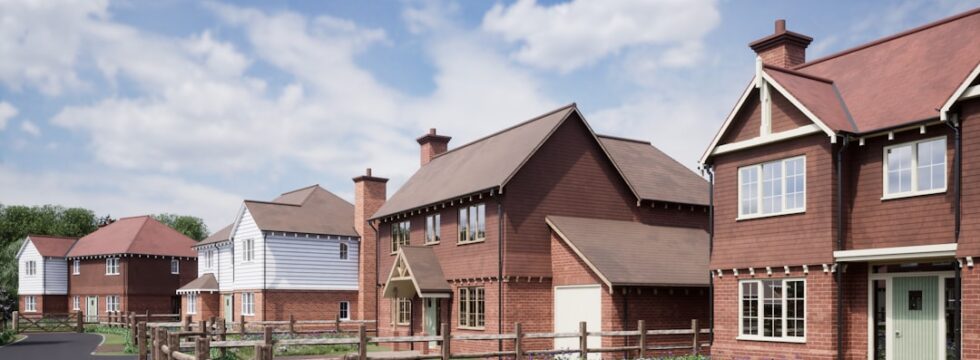
New Build Mortgages
Buying a property fresh from a developer involves genuinely different considerations to purchasing an existing home – structural warranties, valuation caution, and construction-linked timelines all shape how a new build mortgage is assessed and structured.
What Counts as a New Build
Most lenders define a new build as a property constructed within the last two years that’s never been occupied, with some extending this definition to substantially renovated or converted properties. Off-plan purchases – where you reserve and commit to a property before construction is even finished – are also treated as new builds, bringing their own specific timing considerations. Some new builds are created through conversion under permitted development rights rather than ground-up construction – our Permitted Development Finance page covers financing this kind of conversion project specifically.
Why Structural Warranties Are Essentially Mandatory
Virtually every mortgage lender requires a new build to carry an approved structural warranty before they’ll release funds. The most widely used is the NHBC Buildmark warranty, covering around 80% of UK new builds, though other accepted providers include LABC Warranty, Premier Guarantee, Protek, and several others. These policies typically run for 10 years, sometimes 12, and must be in place before your mortgage advance can be released.
The Two-Period Structure
Most structural warranties split cover into two distinct periods. For the first two years, the builder or developer holds responsibility for putting right defects. For the remaining years, cover moves to the insurer and narrows specifically to structural issues – problems with the fundamental fabric of the building, rather than general finishing defects.
What a Structural Warranty Doesn’t Cover
It’s worth understanding the genuine limits of this cover: normal wear and tear is excluded throughout the entire term, mechanical and electrical systems like boilers and wiring typically fall outside it, damage from your own later alterations isn’t covered, and external events like flood, storm, or fire remain the domain of standard buildings insurance rather than the structural warranty. Our Home Insurance page covers what buildings insurance actually needs to include alongside your warranty.
Professional Consultant’s Certificates: The Alternative Route
Where a formal warranty isn’t in place, some lenders will instead accept a Professional Consultant’s Certificate, issued by a suitably qualified professional – typically holding recognised RICS or RIBA-equivalent qualifications – who has genuinely overseen the build, backed by their own professional indemnity insurance.
Retrospective Warranties and Certificates: Worth Real Caution
If a property was built without a warranty arranged during construction, a retrospective warranty or certificate can sometimes be obtained after the fact, based on a post-completion structural survey rather than genuine construction-stage inspection. Lenders view these considerably more cautiously, since the provider or consultant hasn’t actually seen the works as they were built, and acceptance genuinely varies enormously between lenders – some won’t consider retrospective cover at all, while others assess it case by case, weighing more favourably any consultant who had at least some involvement during construction rather than none.
Why the Insurer’s Financial Strength Genuinely Matters
It’s worth checking the credit rating of whichever insurer is actually backing your warranty, using one of the main rating agencies, since an unrated or weak insurer collapsing genuinely leaves buyers exposed. This isn’t a hypothetical risk – a previously popular new build warranty insurer went into liquidation some years ago, leaving thousands of policyholders without valid cover and in breach of their mortgage terms as a result.
Warranty Transfers to Future Owners
If you sell your new build within its warranty term, the remaining cover typically transfers automatically to the new owner, which is a genuine selling point worth remembering – a property with several years of warranty cover left is generally easier to sell and mortgage than one without.
Deposit Protection for Off-Plan Purchases
Some warranty schemes also protect your deposit specifically if you’ve exchanged contracts on an off-plan property and the developer becomes insolvent before construction completes. It’s worth confirming this protection is genuinely included in your specific warranty before exchanging on a property that isn’t built yet.
Why Lenders Apply More Caution to New Build Valuations
New build properties often carry what’s known in the industry as a new build premium – selling at a higher price than comparable existing homes simply by virtue of being new. Lenders are genuinely conscious of this, applying more cautious loan-to-value criteria and valuation scrutiny than they would for an established property with a longer track record of comparable sales.
Extended Mortgage Offer Timelines
Because construction delays are genuinely common, many lenders offer extended mortgage offer validity periods for new builds, sometimes with automatic extensions built in, recognising that a completion date set at reservation stage can shift as building work progresses. It’s worth confirming your specific lender’s approach to this before committing to a build timeline you can’t fully control.
Snagging Surveys
A snagging survey is a separate, independent inspection checking for finishing defects and minor issues – not a mortgage requirement, but genuinely worth arranging before completion, so any problems are formally recorded and the developer remains responsible for addressing them under the warranty terms.
New Build Mortgages vs Self Build Mortgages
It’s worth understanding these are genuinely different products. A new build mortgage works like a standard purchase mortgage, released as a single advance once you complete on a property built by a developer. A self-build mortgage, by contrast, releases funds in stages as construction progresses on a property you’re building yourself. Our Self Build Mortgage Finance page covers this genuinely different route in detail if you’re building rather than buying from a developer.
If You’re Moving Home Rather Than Buying First
If this new build purchase is part of moving from an existing property you already own, our Home Mover Mortgages page covers whether porting your existing deal or taking a new one genuinely suits your situation, worth reading alongside the new build-specific considerations here.
Exchange on Notice for Off-Plan Purchases
For properties still under construction, exchange often happens before an exact completion date is known, with the developer giving a set notice period once the build is formally signed off. Our Property Completion (Closing) Assistance page covers this “exchange on notice” structure in more detail, worth reading alongside this page if you’re buying off-plan.
Frequently Asked Questions
Do I need a structural warranty to get a new build mortgage?
Essentially yes – virtually all lenders require an approved warranty or equivalent Professional Consultant’s Certificate before releasing mortgage funds.
What does a structural warranty actually cover?
Structural defects arising from design, material, or workmanship faults, typically for 10-12 years, though wear and tear, mechanical and electrical systems, and external events like flood or fire are excluded.
Can I get a warranty after my new build is already complete?
Sometimes, through a retrospective warranty or certificate, though lenders view these more cautiously than warranties arranged during construction, and acceptance varies considerably by lender.
Does a new build warranty transfer if I sell the property?
Yes, typically – remaining cover generally transfers automatically to the new owner, which is a genuine advantage when it comes to reselling.
What’s the difference between a new build mortgage and a self-build mortgage?
A new build mortgage is a single advance for a property built by a developer; a self-build mortgage releases funds in stages as you build the property yourself.
Get in touch with details of the property and its warranty status, and we’ll help you find a lender genuinely comfortable with your specific new build.