Non-Standard Construction Mortgages
Non-Standard Construction Mortgages are specialist mortgage solutions for properties built using materials or construction methods that fall outside conventional brick or stone construction with a tiled or slate roof. Timber frame, thatched, concrete panel, steel frame, cob, mundic block and other unusual construction types can all require a more specialist approach to mortgage lending.
A non-standard construction property is not necessarily unmortgageable, but the choice of lenders can be significantly narrower. Lenders may assess the construction method, structural condition, age of the property, materials used, insurance availability, marketability and the availability of suitable comparable properties when considering an application.
The property valuation and survey can be particularly important. Some lenders may require a specialist structural survey or additional information about the construction before confirming whether they are prepared to lend. Buildings with known structural issues, unusual materials or limited insurance options can be more difficult to finance.
Non-standard construction mortgages can be used for property purchases, refinancing and, in some cases, refurbishment or development. The amount available, maximum loan-to-value and mortgage term will depend on the property and the individual lender’s criteria.
The key is to establish whether the property’s specific construction is acceptable to a lender before proceeding too far with an application. Specialist mortgage advice can help identify lenders familiar with non-standard construction and avoid unnecessary applications with m
What “Standard Construction” Actually Means
A standard construction property is built with brick or stone walls, typically on concrete foundations, with a tiled or slate pitched roof – the conventional format most UK homes have followed for generations. Anything falling outside this definition is classified as non-standard, triggering additional scrutiny from most lenders, regardless of how solid or well-maintained the property actually is.
The Genuinely Wide Range of Non-Standard Property Types
Non-standard construction covers a broad and varied category: timber frame, steel frame, precast and in-situ concrete, thatched roofs, flat roofs, cob, wattle and daub, clunch, straw bale, prefabricated and modular homes, and many listed buildings. Our Listed Buildings Mortgages page covers this last category in full detail, since heritage status brings its own additional layer of assessment beyond construction type alone. It’s worth understanding that a property can look entirely conventional from the street while being non-standard underneath – a timber frame can be clad in brick, for example – so it’s genuinely worth confirming construction type properly rather than assuming from appearance alone.
The Reassuring Reality: Most Lenders Will Consider Some Form of Non-Standard Construction
More than half of UK mortgage lenders will accept some category of non-standard construction, so it’s worth understanding this isn’t a niche, hard-to-access corner of the market – it simply requires identifying which lenders are comfortable with your specific construction type, rather than approaching a mainstream lender at random and hoping.
Modern Timber Frame Is Now Essentially Mainstream
Timber frame construction built to current building regulations, with an approved structural warranty, is now widely accepted by lenders and treated almost as if it were standard construction. Older timber frame properties, particularly those built before the 1980s, face more scrutiny, given genuine concerns around fire risk, damp, and structural performance over time.
Precast Concrete: The Category Needing the Most Care
Precast Reinforced Concrete properties – including well-known types built after the Second World War – were designated as defective under the Housing Defects Act 1984, and most lenders require a certificate confirming proper certified repair before they’ll consider a mortgage. Without this certificate, a PRC property can genuinely be unmortgageable, making it worth checking this specifically and early if you’re considering a concrete-built property from this era.
Steel Frame Properties
Post-war steel-framed homes remain mortgageable with the right lender, though you should expect a lender to want a structural engineer’s report confirming the frame hasn’t suffered significant corrosion or warping over time. This is generally a manageable additional step rather than a fundamental barrier.
Thatched Roofs
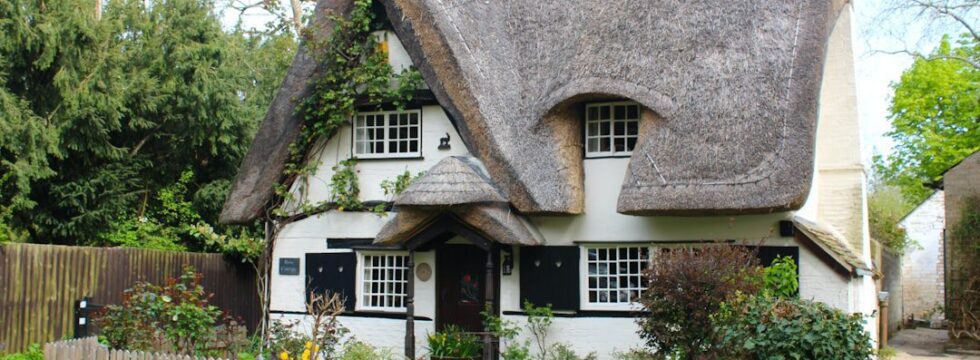
Thatched properties carry genuine fire risk in a lender’s eyes and require re-roofing roughly every 15-30 years, but remain widely mortgageable provided you can arrange appropriate specialist buildings insurance – standard insurance often doesn’t adequately cover a thatched roof’s specific risks and repair costs.
Flat Roofs
How much of a property’s roof is flat, and its current condition, both genuinely affect a lender’s view – a smaller proportion of flat roof, well maintained, is viewed considerably more favourably than an entirely flat roof, or one showing signs of deterioration or water pooling.
Cob, Wattle and Daub, and Other Natural Materials
These historic construction methods, using natural materials like subsoil, straw, and lime, can be genuinely more difficult to finance, though cob specifically is generally viewed as the sturdier of these older natural building methods and has seen renewed interest as a genuinely sustainable, green building technique. It’s worth working with a lender or broker who understands these materials specifically, rather than one unfamiliar with how they perform over time.
Why Local Context Genuinely Matters
A non-standard property that sits within a wider area built using the same construction method – an entire post-war housing estate of a particular concrete or steel type, for example – is often viewed more favourably than an isolated unusual property surrounded by conventional homes. Lenders take comfort from comparable local sales and precedent, which simply doesn’t exist for a genuinely unique property with no similar neighbours.
Deposit Requirements
Non-standard construction mortgages typically require a deposit of 15-25%, though some lenders will accept as little as 10% for lower-risk categories like modern timber frame built to current standards. Buy-to-let purchases on non-standard property commonly require a larger deposit still, often in the region of 25%.
Why a Full Structural Survey Matters More Here
Given the genuine variation in condition and maintenance history across non-standard properties, a full structural survey – rather than a basic valuation or standard homebuyer report – is worth commissioning, both to satisfy your lender’s requirements and to give you a genuinely clear picture of the property’s condition and likely future maintenance costs before you commit.
Insurance Considerations
Standard buildings insurers often decline non-standard properties outright, or load the premium heavily, making a specialist insurer worth seeking out from the outset. Our Home Insurance page covers this in more detail. A thorough survey report generally helps a specialist insurer price the policy more accurately, so it’s worth having this in hand when you approach insurance providers.
Barn Conversions and Similar Projects
A barn or similar conversion is generally treated like any other property once complete, subject to the same building regulations, though a recently completed conversion may sometimes be assessed under new-build criteria rather than as an established non-standard property. Our New Build Mortgages page covers this new-build assessment route in more detail. It’s worth clarifying which category applies to your specific project with your broker.
Non-Standard Construction on Rural Property
Many non-standard properties – timber frame farmhouses, cob cottages, thatched country homes – also come with significant acreage or agricultural ties, adding a genuinely separate layer of lender assessment beyond construction type alone. Our Rural Mortgages page covers how acreage, agricultural occupancy conditions, and smallholdings are assessed, worth reading alongside this page if your property combines both considerations.
Why Working With an Experienced Broker Matters Considerably Here
Given how much lender appetite varies by specific construction type, and how a single wasted application to the wrong lender can cost you time and potentially affect your credit file, it’s genuinely worth working with a broker experienced in non-standard construction specifically, rather than treating this as a standard mortgage search.
Frequently Asked Questions
Can I get a mortgage on a non-standard construction property?
In most cases yes – more than half of UK lenders will consider some form of non-standard construction, though the right lender depends on the specific construction type.
Is modern timber frame difficult to mortgage?
Generally not – modern timber frame built to current regulations with an approved structural warranty is now widely accepted, close to standard construction in most lenders’ eyes.
What’s the hardest type of non-standard construction to mortgage?
Designated defective precast concrete properties without a certified repair are typically the most restrictive, sometimes genuinely unmortgageable without one.
How much deposit do I need for a non-standard construction mortgage?
Typically 15-25%, though some lenders accept as little as 10% for lower-risk categories like modern timber frame.
Do I need special insurance for a non-standard construction property?
Often yes – standard insurers frequently decline or heavily load non-standard properties, making a specialist insurer worth seeking from the outset.
Get in touch with details of the property and its construction type, and we’ll help you find a lender genuinely equipped to finance it.