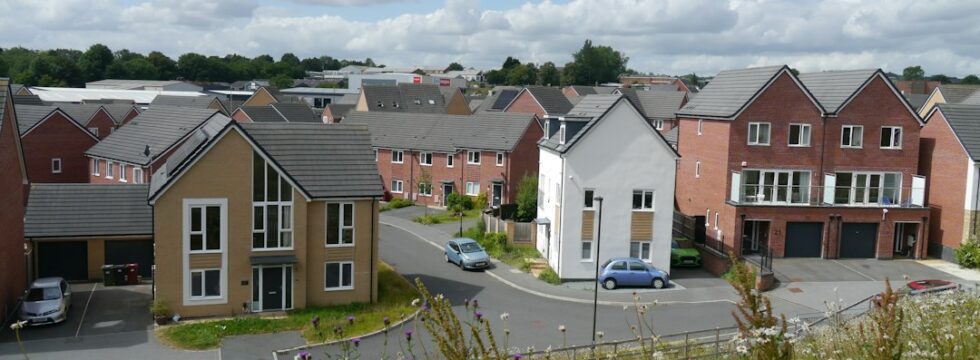
A 30% affordable housing obligation on a 20-unit scheme genuinely transfers six units from your private sales programme to a registered provider at a significant discount – if private units sell at £350,000 and affordable units at £200,000, that’s a genuine £900,000 reduction to your Gross Development Value before a single brick is laid. Understanding how Section 106 obligations reshape your numbers matters considerably before you commit to a purchase price built around the wrong assumption.
What a Section 106 Agreement Actually Requires
Our UK Development Finance hub covers the wider lending landscape; this piece focuses specifically on how Section 106 obligations genuinely feed through into your financing numbers. A Section 106 agreement is a legally binding obligation under the Town and Country Planning Act 1990 requiring financial contributions or infrastructure – commonly affordable housing at 20-40% of units, alongside education, highways, and open space contributions – as a condition of planning permission itself.
Why This Directly Reduces Your GDV, Not Just Your Profit
It’s worth understanding this clearly: affordable housing obligations don’t simply eat into your margin at the end – they genuinely reduce your Gross Development Value from the outset, since a proportion of your units sell at a substantially discounted rate to a registered provider rather than at open market value. This is exactly why our piece on how GDV is actually calculated matters so much alongside this one – your realistic borrowing ceiling is capped against a GDV figure that already has to account for this reduction.
Why Viability Assessments Exist, and Their Genuine Limits
Where a developer believes the full policy-compliant Section 106 obligation would render a scheme genuinely unviable, they can submit a viability assessment arguing for reduced contributions, most commonly a lower affordable housing percentage. It’s worth knowing current national planning guidance states viability should normally be assessed at the plan-making stage, not the application stage, meaning you shouldn’t generally expect to argue viability down after the fact unless your circumstances have genuinely, materially changed since the local plan was adopted.
A Genuine Real-World Outcome Worth Understanding
Successful viability reviews have reduced affordable housing obligations from 30% down to 15% on individual schemes, saving hundreds of thousands of pounds in what would otherwise have been lost GDV. It’s worth knowing the local authority’s assessor will scrutinise every element of your appraisal closely – land value, build costs, professional fees, finance costs, and profit margin – and any element that looks unrealistic will genuinely be challenged.
Why Including Your Real Finance Costs Genuinely Strengthens a Viability Case
It’s worth understanding a scheme that looks viable on a simplistic finance cost assumption can be shown to be genuinely marginal once the full cost of finance is properly accounted for – arrangement fees, monitoring surveyor fees, and every other charge across your facility. Including your actual, evidenced finance costs, rather than a rough estimate, genuinely strengthens a viability argument considerably more than developers commonly assume.
Why “Golden Rules” Genuinely Remove This Flexibility on Some Sites
It’s worth knowing that major housing development on land within or released from the Green Belt is now subject to “Golden Rules” requiring at least 50% affordable housing, and viability assessment genuinely cannot be used to reduce this specific contribution on qualifying schemes. If your site falls into this category, it’s worth building your numbers around the full obligation from the outset, rather than assuming a viability review offers a realistic route to a lower figure.
Why Reform Is Genuinely Coming
The government’s Planning and Infrastructure Bill proposes replacing both Section 106 and the Community Infrastructure Levy with a single Infrastructure Levy, charged as a percentage of development value and used to fund both infrastructure and affordable housing together. It’s worth understanding this genuinely remains a proposal rather than current law, but worth monitoring if your scheme’s timeline extends into the period this reform is expected to take effect.
Why Land Purchases Need This Factored In From Day One
Our Land Finance page covers financing a site purchase specifically; it’s worth understanding a genuine Section 106 obligation needs factoring into your land purchase price and financing calculations from the very outset, not treated as a cost to be absorbed once you’ve already committed to the site.
Why Review Mechanisms Mean This Isn’t Always a One-Off Assessment
Many Section 106 agreements now include review mechanisms requiring updated viability information at specified trigger points during the build, commonly once a certain percentage of homes have sold. It’s worth understanding your obligations can genuinely be revisited partway through a scheme, not simply fixed and forgotten at the planning stage.
Structuring Your Facility Around a Realistic Post-S106 GDV
Our Structured Property Finance page covers tailoring a facility to reflect your specific circumstances, worth discussing properly once your genuine Section 106 obligation is known, rather than structuring finance around an optimistic pre-obligation GDV figure that a lender’s own valuer will never accept.
Why This Matters Even More Without a Track Record
Our First-Time Developers page covers the genuinely tighter caps typically applied without an established track record; it’s worth understanding that navigating a viability negotiation with a local authority is genuinely more difficult without prior experience of how these discussions typically unfold, worth seeking proper planning and financial advice early rather than after a decision has already been reached.
Getting Your Numbers Genuinely Right Before You Commit
Given how much genuinely depends on your specific site’s affordable housing requirement and whether a viability case is realistically available to you, it’s worth having a proper conversation before committing to a purchase price. Get in touch with details of your site and its planning status, and we’ll help you understand what’s genuinely achievable.
Frequently Asked Questions
Does a Section 106 affordable housing obligation reduce my profit or my GDV?
Both genuinely, but it starts with GDV – affordable units sell at a substantial discount to open market value, reducing your total development value before profit is even calculated.
Can I always argue my Section 106 obligation down through a viability assessment?
Not always – national guidance says viability should normally be assessed at plan-making stage, and “Golden Rules” specifically prevent viability reductions on qualifying Green Belt schemes.
Does including my actual finance costs genuinely help a viability case?
Yes, considerably – a scheme assessed on simplistic finance cost assumptions can look viable when it’s genuinely marginal once real arrangement fees, monitoring costs, and other charges are properly included.
Can my Section 106 obligations change after planning permission is granted?
Potentially yes – many agreements now include review mechanisms requiring updated viability information at specified trigger points during the build.
What percentage of units is typically required as affordable housing?
Commonly 20-40%, though this varies by local authority policy and site characteristics, with qualifying Green Belt schemes now requiring at least 50% under current Golden Rules.
Get in touch with details of your site and its Section 106 position, and we’ll help you understand your genuine development finance numbers before you commit.