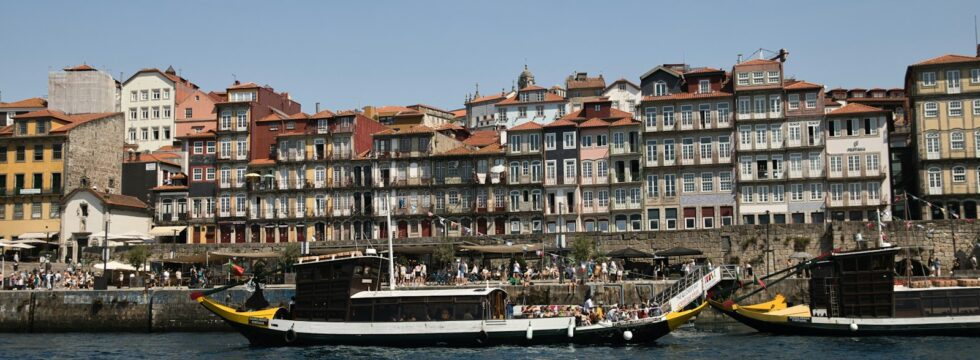
Bridging Loans Portugal: Asset-Backed Short-Term Finance from €500,000
Page last reviewed: November 2026.
Bridging loans in Portugal fund acquisitions, refinancings and time-critical transactions secured against Portuguese hotels, resorts, residential blocks, commercial buildings, development land and portfolios. We arrange Portuguese bridging facilities from €500,000 up to €500m+ for developers, institutional investors, funds, family offices and corporate borrowers, whether they are based in Portugal or overseas. Larger requirements can be arranged as syndicated lending with multiple lenders, on request. This is unregulated commercial lending, not finance for buying a home to live in.
Portuguese Bridging Loans at a Glance
| Loan size | From €500,000 to €500m+, with syndicated lending available on request for larger requirements |
|---|---|
| Term | Typically 3 to 24 months |
| Gearing | Up to 70% of the lender’s valuation, depending on the asset, the country and the exit |
| Borrower | Usually a Portuguese company, owned locally or from overseas |
| Security | First-ranking mortgage over the property registered at the land registry, usually with a pledge over the shares in the borrower |
| Interest | Usually retained or rolled up, and sometimes serviced |
| Exit | Sale, refinance onto term finance, or institutional take-out |
| Currency | Euro |
How the Portuguese Short-Term Market Works
Banks and International Lenders
Portugal has an active international investor base, but Portuguese banks have limited appetite for short-term, exit-led lending to companies. That gap is filled mainly by international and private lenders, who are comfortable with corporate borrowers, overseas shareholders and complex structures.
What This Means for Sponsors
The right lender depends heavily on the asset type and the region, and documentation and legal process matter as much as price. Bank mortgages for individuals buying a home are a different, regulated product and are not covered here.
Where Portuguese Bridging Is Used
Time-Critical Acquisitions
Completing on a hotel, building or portfolio before a term loan, a sale of another asset or investor capital arrives.
Land and Development Sites
Securing a site while licences are obtained and construction finance is arranged. See our Portugal development finance page.
Refinancing and Stabilisation
Bridging a maturing facility, or funding a completed or part-let asset until it is sold or refinanced onto a long-term loan.
Portfolio and Recapitalisation Deals
Acquiring several assets at once, or raising capital against unencumbered property for investment elsewhere.
Asset Classes in the Portuguese Market
Hotels, Resorts and Holiday Parks
Licences and classification
Hospitality assets depend on their tourism registration and operating licences, and lenders check these closely because they underpin both value and the exit.
Operator and trading history
Lenders favour assets with an experienced operator and a clear trading record, particularly in the Algarve, Lisbon and on the islands.
Residential Blocks and Portfolios
Multi-unit residential for sale or rent, including build-to-rent, student housing, co-living and senior living.
Offices, Retail and Logistics
Offices and mixed-use buildings with identifiable tenants or repositioning plans, retail units, and warehouses and logistics space near the main transport corridors.
Land and Development Sites
Land with or without planning, and part-built schemes that need completing.
Security, Registration and Portuguese Law
The Borrower
The borrower is normally a Portuguese company that owns the asset. Each foreign director and shareholder generally needs a Portuguese tax number (NIF), and some non-resident owners also need a fiscal representative.
Mortgage and Share Pledge
Registration at the land registry
The lender takes a first-ranking mortgage over the property, registered at the land registry. Its lawyers review the land registry certificate (certidão permanente) to confirm ownership and any existing charges before the lender commits.
Documents and formalities
The mortgage is created through a deed or authenticated document, and lenders commonly add a pledge over the shares in the borrower, an assignment of rents where the asset is let and a sponsor guarantee.
Taxes and Costs
Transfer tax and stamp duty
Acquisitions carry transfer tax and stamp duty, and stamp duty can also apply to the loan itself. These should be planned for separately and confirmed with Portuguese advisers.
Valuation and the Lender’s Figure
Lenders instruct their own approved valuer and apply their gearing to their own figure, which is often not the headline price. For hotels they also look at trading performance, and for development sites at the value with and without licences. Build a margin into your own numbers, because a lender’s figure can come back below your appraisal. On cross-border deals, valuation is often the longest single item in the timetable.
Exit Strategies Lenders Accept in Portugal
Sale of the Asset
Evidenced by agent appraisals, comparable transactions or signed contracts.
Refinance onto Term Finance
A Portuguese bank or institutional term loan once the asset is stabilised and the paperwork is in order.
Institutional Take-Out
A sale or forward sale of a completed residential or operational asset to an institutional investor.
Bridging Loans by City and Region: Where We Cover in Portugal
We arrange bridging loans against assets across mainland Portugal and the islands. The cities and areas below are where most enquiries come from, though we will look at any well-structured asset.
- Major cities: bridging loans in Lisbon, Porto, Braga, Coimbra, Faro, Aveiro, Setúbal and Leiria.
- Lisbon coast and region: Cascais, Sintra, Oeiras, Almada and the Setúbal peninsula.
- The Algarve: Lagos, Albufeira, Vilamoura, Quarteira, Tavira, Loulé, Vale do Lobo and Quinta do Lago.
- The Silver Coast and Alentejo: Óbidos, Peniche, Nazaré, Comporta and Évora.
- The islands: Funchal on Madeira and Ponta Delgada in the Azores.
If your asset is not listed, send us the details anyway. Lenders assess the asset, the licences and the exit rather than a fixed list of places.
A Worked Example
The figures below are illustrative only and do not represent an offer or a real case.
A hotel group agrees to acquire an operating boutique hotel in central Lisbon. The lender’s valuer values it at €28,000,000. At 60% of that figure, the facility is €16,800,000, and the remaining €11,200,000, plus costs, is funded from equity or from additional security elsewhere. The exit is a refinance onto a term loan once the group has completed its first full trading year.
Costs, Rates and Terms
Pricing varies with the lender, the asset, the gearing and the exit, and is usually quoted per month. As a general guide only:
- Interest: for strong assets and sponsors, monthly pricing often starts at around 0.9% a month, rising for higher gearing, secondary assets or less certain exits. Interest is usually retained or rolled up.
- Arrangement fee: typically around 1% to 2% of the facility, with some lenders also charging an exit fee.
- Third-party costs: valuation, registration costs and legal fees on both sides, plus stamp duty where it applies.
- Term: usually 3 to 24 months.
Any figures we give for your deal will come from live lender feedback, not from this page.
From First Call to Completion in Portugal
- Preparation. Foreign directors obtain a NIF, and the Portuguese company and bank account are put in place.
- Initial summary and lender approach. You send us the asset, borrower, amount, term and exit. With a complete summary, indicative terms can often come back within days.
- Due diligence. The lender instructs a valuer and Portuguese lawyers, who review the land registry position, licences and structure.
- Documentation. The facility, mortgage, share pledge and guarantees are agreed and signed.
- Registration and completion. The mortgage is registered and funds are released.
Allow around five to twelve weeks on most deals, depending on valuation and the legal timetable. Syndicated facilities take longer.
Common Reasons Portuguese Bridges Stall
- Licence or registration gaps found late in due diligence.
- Valuation shortfalls against the lender’s figure.
- No NIF or incomplete ownership paperwork for foreign shareholders.
- An exit that is hoped for rather than evidenced.
How We Can Help
We start with a conversation about the asset, the structure and the exit, so we can tell you quickly whether Portuguese bridging fits and what a realistic facility looks like. We then approach lenders active in your asset class and region, help you present the case the way they need to see it, and stay involved through valuation, legal work and completion. Our European bridging loans overview explains how the markets fit together.
Frequently Asked Questions
Can Portuguese developers and investors use specialist bridging, or is it only for overseas borrowers?
Both. Portuguese sponsors use specialist lenders when they need more speed, leverage or flexibility than a bank will give, and overseas borrowers are equally welcome. The loan is normally made to a Portuguese company, which can be owned locally or from overseas. Foreign owners need a NIF.
What is the minimum loan size?
We arrange Portuguese bridging facilities from €500,000.
What is the maximum?
Up to €500m+, with syndicated lending with multiple lenders available on request for larger requirements.
Is this a bridging loan for buying a home?
No. This is commercial lending for companies and professional investors, secured on investment, commercial, hotel or development property.
How much can I borrow against the property?
Up to 70% of the lender’s valuation, depending on the asset, the country and the exit.
How long is the term?
Typically 3 to 24 months.
Can a non-Portuguese asset be used as extra security?
In some structures, yes, which can improve gearing. This depends on the lender and the jurisdiction concerned.
Will I need to give a guarantee?
Lenders commonly ask for a guarantee from the sponsor or a group company. Terms vary by lender and deal.
Can I borrow in a currency other than euro?
Portuguese facilities are normally in euro. Any currency hedging is a matter to discuss with your own advisers.
Is this regulated lending?
No. This is unregulated lending, arranged for business purposes, so it is not regulated by the Financial Conduct Authority.
Bridging Loans in Other Countries
We also arrange bridging finance across Europe, including Ireland bridging loans, Spain bridging loans, Italy bridging loans, Germany bridging loans, Netherlands bridging loans and France bridging loans. If you need build funding after the bridge, see our Portugal development finance page.
Tell us about the asset, the structure and the exit, and we will tell you what the Portuguese market is likely to offer.