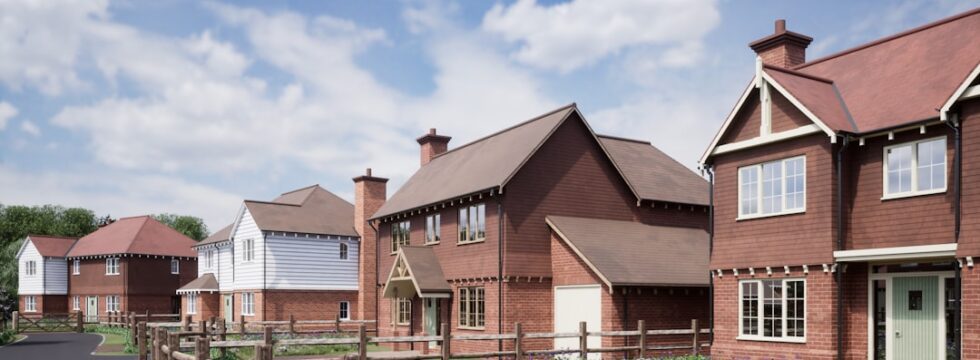
New build homes across Great Britain sold for a genuine 30% premium over existing properties in 2026, up from 23.7% a decade ago – yet in London specifically, new builds actually sold for around 10.5% less than existing homes. Understanding why this premium exists, and how it genuinely affects your mortgage, matters before you assume a new build and an existing property are simply two versions of the same purchase.
Why Lenders Treat New Builds More Cautiously
A new build mortgage isn’t a separate product – it’s a standard residential mortgage, but the underwriting genuinely changes the moment the property is newly constructed rather than second-hand. Lenders cite three consistent reasons: the valuation is harder to pin down without resale comparables, the developer itself becomes a counterparty whose financial health matters to the lender, and the completion date is controlled by the developer rather than you, creating a genuine risk your mortgage offer could expire before keys are handed over.
The “New Build Premium” and Why It Caps Your Loan-to-Value
Lenders build in a 5-10% premium assumption, recognising that a brand-new home typically loses some of its value in the first few years as it becomes, simply, a second-hand property. Our New Build Mortgages page covers this in detail, including why new build houses are commonly capped at 85-90% loan-to-value, and new build flats often lower still at 75-85%, compared with existing property.
A Genuine Regional Reversal Worth Knowing
It’s worth understanding this premium isn’t universal. While the national picture shows new builds commanding a substantial premium, London runs the opposite way – its existing housing stock includes period properties in expensive, established locations, while a large share of new supply is flats, meaning new builds there have actually sold below comparable existing homes in recent data. A national headline figure genuinely doesn’t tell you what’s happening on your specific street.
Energy Efficiency: The Genuine Advantage New Builds Hold
Over 80% of new homes now achieve an EPC rating of A or B, compared with just 2.2% of existing properties. Given upcoming EPC compliance deadlines for rental property, this is a genuinely meaningful advantage for anyone considering a new build as an investment. Our Green Mortgages page covers the rate discount available for genuinely energy-efficient property, worth understanding alongside this advantage.
The Leasehold Question Genuinely Worth Checking
Since the sale of new leasehold houses was banned, a new-build house purchased in 2026 should be freehold by default – if a developer offers one as leasehold, it’s worth asking why directly. For new build flats, which remain commonly leasehold, it’s worth having your solicitor check ground rent terms and lease length carefully; below roughly 70 years remaining, most mainstream lenders won’t offer a mortgage at all, which can make a property genuinely difficult to sell on later.
Chain-Free Purchases: A Genuine Practical Advantage
Buying a new build typically means no chain above you, removing one of the most common sources of delay and collapsed transactions in existing property purchases. Our Property Completion (Closing) Assistance page covers the genuine mechanics of completion day, worth reading alongside this advantage, since a chain-free purchase still involves real coordination between your mortgage offer, developer timeline, and legal work.
Building Your Own, Rather Than Buying New or Existing
If neither a new build nor an existing property genuinely fits what you’re looking for, our Self Build Mortgage Finance page covers funding construction on land you own directly, staged against build progress rather than released as a single lump sum – a genuinely different process to either standard route covered here.
Why Existing Property Still Wins on Space and Negotiation
Existing property commonly offers a genuinely lower price per square foot and real room to negotiate, particularly during a slower market when motivated sellers are more willing to accept a reduced offer. It typically comes without service charges or ground rent, though it brings the trade-off of potential renovation costs and a less favourable EPC rating that a new build wouldn’t carry.
Refinancing Once the New-Build Premium Has Settled
If you’ve already purchased a new build and are now approaching the end of your initial deal, it’s worth understanding that a fresh valuation may come in below your original purchase price, purely as the new-build premium normalises against the wider local market. Our Remortgage page covers this scenario, worth reading if your loan-to-value has shifted since your original purchase in a way you weren’t expecting.
Getting the Right Approach for Your Specific Purchase
Given how much genuinely depends on whether you’re buying new or existing, the specific development or property, and your own deposit and circumstances, it’s worth having a proper conversation about which route, and which lenders, genuinely suit your situation. Get in touch with details of your purchase, and we’ll help you find the right mortgage for your specific property.