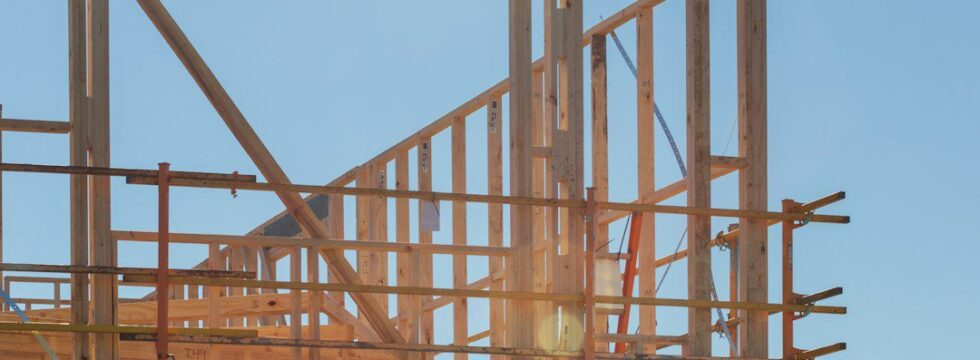
Part Complete Development Loans
A part complete development loan funds the finishing of a scheme that is already partly built. It is the route developers take when the original facility has run dry, the lender has declined to extend, costs have overrun, or a part-built site has been bought and needs completing. If your build has genuinely reached practical completion and you simply need cheaper money while units sell, our Development Exit Finance page is the better fit. This page is for schemes where building work still remains.
What Is a Part Complete Development Loan?
It is a short-term, secured loan that does two jobs in one facility. It repays whatever is owed against the part-built site (an existing development lender, an auction purchase loan, or a bridge), and it funds the cost of the remaining works through to completion. Most facilities also run past completion, giving you time to sell the units or refinance onto longer-term borrowing.
The loan is secured by a first legal charge over the site and is sized against two measures: the cost of finishing the scheme and the value of the finished scheme. Because the lender is taking on construction risk that someone else has already started, the underwriting is more involved than for a ground-up loan. It is also more flexible: the scheme does not need to be wind and watertight to be considered, and many lenders will look at schemes from foundations or frame stage onwards.
When Developers Need One
The circumstances are usually one of the following:
- The original lender has withdrawn or will not extend. The term has expired, a covenant has been breached, or the lender has simply lost appetite for the scheme.
- The budget has run short. Build costs, materials or labour have risen beyond the contingency you allowed.
- Sales have not come in as planned. You were relying on early sales proceeds to fund later phases and the market has been slower than forecast.
- You have self-funded to a point and now want to borrow. Many developers fund the early stages from their own equity, then refinance to finish and to recover some of that cash.
- You have bought a part-built scheme. Auction purchases and distressed sales of half-finished sites often need funding for both the acquisition and the works.
- A contractor has defaulted. The build has stopped and a replacement contractor must be appointed before work can restart.
The earlier you approach a lender in any of these situations, the more options you have. A scheme that has been stalled for many months, with unpaid contractors and lapsed insurance, is harder to fund than one where the problem is caught early.
Part Complete Loans Compared With Other Development Products
The names overlap, so it helps to see where each product sits.
| Product | Stage of build | What it funds |
|---|---|---|
| Standard development finance | Land or early stage | Site purchase plus the full build, drawn in stages. See Senior Debt. |
| Part complete development loan | Part built, works remaining | Repays the existing debt and funds the remaining works, then carries the scheme to sale or refinance. |
| Development exit finance | At or near practical completion | Repays the development loan only. No significant works to fund. See Development Exit Finance. |
| Refurbishment loan | Existing building | Works to an existing property rather than a stalled new build. See Refurbishment Loans. |
You will also see the term finish and exit finance. It describes the same idea: one facility to finish the build and cover the exit period.
How Much Can You Borrow?
Lenders look at the finished value of the scheme and the cost of completing it, and the lower of the two limits usually sets the loan.
- Loan to gross development value (LTGDV): commonly up to 65% to 70% of the value of the completed scheme. Gross development value (GDV) is the total value of all units once finished, confirmed by an independent valuation rather than your own estimate.
- Loan to cost (LTC): many lenders will fund a high proportion of the remaining build costs, with figures of up to 85% to 90% quoted. The total facility must still sit within the LTGDV cap.
- Value of the part-built site: some lenders lend against the open market value of the site as it stands today, so work already done adds to the security available on day one.
If the figures leave a gap, a second-charge facility can sit behind the senior loan. Our Mezzanine Finance and Stretched Senior Debt pages explain how that can stretch total borrowing towards 85% to 90% of GDV, at a higher cost.
How Lenders Assess a Part-Built Scheme
This is where part complete lending differs most from standard development finance. The lender cannot see the whole build in a plan; it has to judge work that already exists and the cost of what is left. Expect the following.
A cost-to-complete report
A monitoring surveyor appointed by the lender inspects the site, values the works done to date, and prepares an independent estimate of what it will cost and how long it will take to finish. Lenders rely on this rather than the developer’s own budget, so it is worth getting your quantity surveyor’s figures in good order before it is commissioned.
Quality and compliance of the work so far
The lender needs comfort that what has been built is sound. That usually means building control sign-off or inspection records for completed stages, structural engineer reports where relevant, and confirmation that the build matches the approved plans.
Planning permission and conditions
The scheme must have valid planning permission, and the lender will check that pre-commencement conditions have been discharged and that the permission will not lapse before you finish. A stalled scheme sometimes finds a planning deadline approaching, so check this early.
The contractor and the programme
Whoever is going to finish the job matters. If the original contractor is staying, the lender will want evidence they can deliver. If you are replacing them, you will need a signed contract or agreed terms with the new contractor, their review of the work done, and a realistic programme.
Warranties, insurance and title
Expect questions about the structural warranty provider, site insurance that remains in force, and whether anyone else has a charge over the site. Any unpaid contractor or supplier claims need to be understood before a lender will advance.
The developer’s experience and the exit
Lenders weigh your track record, but part complete cases are often more forgiving of experience than people expect where the numbers work and the cost to complete is well evidenced. They will also want a believable exit: sales of the units, or a refinance onto an investment or commercial mortgage once the scheme is let. If you are a first-time developer, our First Time Developers page covers what lenders look for.
Indicative Rates, Fees and Terms
Pricing depends on the scheme, how much of it is complete, your experience, location and the exit. As a general guide only:
- Interest: commonly in the region of 0.75% to 1.5% per month, with the stronger, lower-leverage cases at the lower end. Interest is usually rolled up or retained rather than paid monthly, and is charged only on funds drawn.
- Arrangement fee: typically around 1% to 2% of the facility. Some lenders also charge an exit fee.
- Third-party costs: valuation, monitoring surveyor, legal fees for both sides, and the initial cost-to-complete report. These are usually payable whether or not the loan completes, so ask for a clear estimate at the outset.
- Term: typically 12 to 24 months, covering the remaining build and the sales or refinance period. Shorter terms are available for schemes close to completion.
- Loan size: commonly from around £250,000, with larger schemes reaching eight figures.
These ranges are indicative and change with the market. Any figures we give you for your own scheme will come from live lender feedback.
How the Money Is Released
Most facilities are released in two parts. The day-one advance repays the existing lender and, in some cases, reimburses certified works that you have already paid for or that are due to contractors. The remaining build funds are then drawn in stages. Before each drawdown the monitoring surveyor visits, certifies the work completed, and confirms the cost to complete is still within budget. Typically there are several tranches across the build.
Because interest is charged only on the amount drawn, your cost is lower in the early months and rises as the loan is drawn down.
A Worked Example
The figures below are illustrative only and do not represent an offer or a real case.
A developer has a six-unit scheme with the frame and roof complete. The independent valuation puts the completed scheme at £2,000,000. The existing lender, which has declined to extend, is owed £650,000. The monitoring surveyor certifies £400,000 to finish the build, including a contingency. Allowing £100,000 for rolled-up interest and fees, the facility is built up like this:
- Repay the existing lender: £650,000
- Remaining build costs, drawn in stages: £400,000
- Rolled-up interest and fees: £100,000
- Total facility: £1,150,000, which is 57.5% of the £2,000,000 GDV
That sits comfortably inside a typical 65% to 70% LTGDV ceiling. If the cost to complete had come back much higher, the loan could breach the cap, and the developer would need to add equity or consider a mezzanine top-up.
Common Problems, and How to Avoid Them
- An optimistic budget. Lenders will use the surveyor’s figure, not yours. Build in a realistic contingency from the start.
- No replacement contractor. A lender will not release funds for works with nobody lined up to carry them out.
- Gaps in the paperwork. Missing building control records, lapsed insurance or an expired warranty can delay completion by weeks.
- Underestimating time. Surveys, third-party reports and legal work on a part-built site take longer than on a standard purchase. Start early.
- Leaving it too late. If a lender has already called in the loan or default interest is accruing, options narrow quickly.
Exit Strategies Lenders Accept
There are two main routes out. The first is sale of the completed units, with proceeds repaying the facility as each one completes. The second is refinance: where you intend to hold some or all of the units as investments, a development exit facility or a buy-to-let or commercial mortgage can repay the loan once the scheme is complete and let. Lenders will want evidence for whichever route you choose, such as agent appraisals for sales values or rental assessments for a hold strategy.
UK Developers Based Overseas
Many of the developers we work with live abroad while building in the UK. A UK-based scheme can usually be funded for a non-resident borrower, often through a UK limited company or SPV. Lenders will want clear evidence of the ownership structure, source of funds and identity checks, which can take longer for overseas applicants, and some will ask for a personal guarantee. Having your structure and documents ready before you apply helps considerably.
Documents to Have Ready
- Full site address and details of any existing charge, with the outstanding balance
- Current value of the part-built site, remaining build cost and projected GDV
- Planning permission, approved drawings and evidence that conditions are discharged
- Building control and structural records for the work completed
- Build contract and programme, plus details of any replacement contractor
- Insurance and structural warranty details
- A short summary of your development experience
- Details of the borrowing entity, ownership and source of funds
- Your proposed exit strategy
How We Can Help
We work with you to present a part-built scheme in the way lenders need to see it. That starts with a conversation about where the build stands, what is owed, what is left to do and how you plan to exit, so we can tell you quickly whether a part complete loan is the right route or whether another structure fits better. We then approach lenders whose criteria suit your scheme, help assemble the cost-to-complete and contractor information, and keep the case moving through valuation, legal work and drawdowns.
Frequently Asked Questions
Does my scheme need to be wind and watertight?
No. Many lenders will consider a scheme from foundations or frame stage. What matters is that the work done is sound, the cost to complete is independently evidenced and the numbers fit within the lender’s limits.
What is the difference between a part complete loan and development exit finance?
Development exit finance repays a development loan once the build is finished or nearly so, and funds little or no further construction. A part complete loan repays the existing debt and also funds the works that remain.
How much can I borrow against a part-built scheme?
Typically up to around 65% to 70% of the completed scheme’s value, and up to 85% to 90% of the remaining build costs, with the lower figure setting the loan. A mezzanine top-up can stretch overall borrowing further at a higher cost.
Can I get a part complete loan as a first-time developer?
It is possible where the scheme fundamentals are sound and the cost to complete is clearly evidenced, though your choice of lenders will be narrower than for an experienced developer.
What if my contractor has left the site?
You will need a replacement contractor, with an agreed contract, their assessment of the work done and a revised cost to complete, before a lender will advance funds.
How long does a part complete loan take to arrange?
Usually longer than a standard bridge because of the surveys and checks on work already done. Indicatively, plan for several weeks, and longer if documents are missing.
Can I borrow if I live outside the UK?
Often yes, commonly through a UK company or SPV, subject to the lender’s checks on ownership and source of funds.
Is the interest paid monthly?
Normally not. Interest is typically rolled up into the loan or retained from the facility, and is charged only on funds drawn.
What happens if the build overruns?
Talk to your broker and lender early. Extensions are sometimes possible, but they usually add interest and fees, so building a realistic programme and contingency at the outset matters.
Tell us where your build stands, what is owed and what remains to be done, and we will help you find a lender equipped to finish it with you.
Figures on this page are indicative only, vary by lender and scheme, and do not constitute an offer of finance. Development finance for business purposes is typically unregulated. Your property may be repossessed if you do not keep up repayments on a loan secured on it.