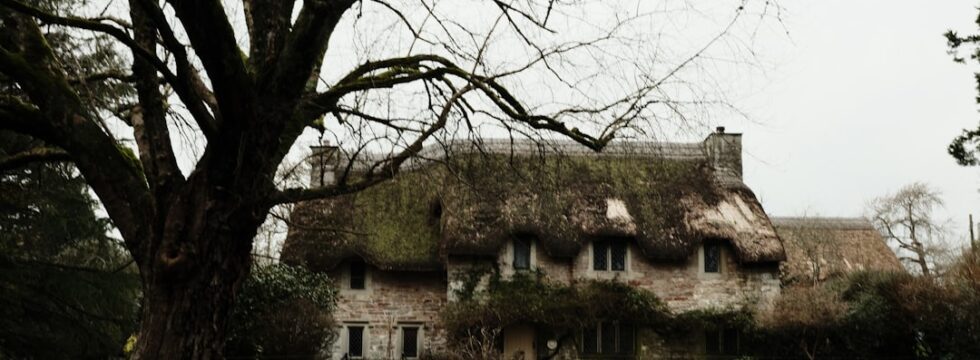
A standard construction property, in a UK lender’s eyes, means brick or stone walls on concrete foundations with a tiled or slate roof – the conventional format most homes have followed for generations. Anything genuinely outside this definition triggers additional scrutiny, and the range of what counts as “non-standard” is considerably wider than most buyers expect.
How to Spot a Non-Standard Property Before You Fall in Love With It
It’s worth checking a few things before you get emotionally invested in a specific property. Render or pebble-dash finishes can hide a timber or concrete frame beneath what looks like a conventional wall from the street. Unusually thick or thin walls can be another signal. It’s worth checking the property’s deeds and local council records for construction details, and asking the estate agent for written disclosure of the construction type rather than assuming from appearance alone – a timber frame can be clad in brick, looking entirely conventional while being genuinely non-standard underneath.
Why Lenders Are Cautious: The Two Genuine Risks They’re Pricing
Lenders are weighing two things specifically: the cost of repair if the property deteriorates, and the resale market if they ever need to repossess and sell. Non-standard constructions tend to have higher repair costs, since specialist contractors and harder-to-source materials are often required, and a genuinely smaller resale market, since other buyers face the same mortgage difficulty you’re facing now. This combination is exactly why lenders price and assess these properties more cautiously than a standard brick-built home.
Listed Buildings: A Category of Their Own
Listed status protects a property for its architectural or historic interest, and it brings its own layer of assessment on top of any construction considerations. Our Listed Buildings Mortgages page covers how grade genuinely determines your realistic lender pool – Grade II, covering the vast majority of listings, is widely accepted by mainstream lenders, while Grade I and Grade II* require considerably more specialist routes.
The Genuinely Wide Range Covered by “Non-Standard Construction”
This category extends far beyond thatched cottages and timber frames. It includes concrete construction of various types, steel-framed post-war housing, flat roofs covering a significant proportion of the structure, and a range of specific post-war prefabricated systems, some of which were formally designated as defective under the Housing Act 1985 and remain difficult to mortgage without evidence of proper certified repair. Our Non-Standard Construction Mortgages page covers this genuinely broad category in full detail, including which types are now essentially mainstream and which remain genuinely restrictive.
When “Unusual” Means Land, Not Just Building Materials
It’s worth knowing that a property can be entirely standard in construction terms and still fall outside conventional lending criteria simply because of the land it sits on. Large acreage, equestrian land, and rural diversification all shift a property into genuinely different lending territory. Our Rural Mortgages page covers this land-driven complexity, including the rough ten-acre threshold where standard household mortgages typically stop being available regardless of how conventional the house itself is.
Barn Conversions and Recently Completed Unusual Projects
If you’re looking at a genuinely unusual property that’s been recently converted or newly built – a barn conversion, for example – it’s worth understanding this may actually be assessed under new-build criteria rather than as an established non-standard property, particularly if it’s within its first couple of years. Our New Build Mortgages page covers the structural warranty requirements and valuation caution that apply here, worth clarifying with your broker which category genuinely applies to your specific project.
If Your Unusual Property Is Genuinely Multi-Let
Some character or unusual properties are large enough to genuinely suit conversion into a multi-let investment rather than a single residence. Our piece on HMO vs MUFB covers the two main multi-let strategies worth considering if this genuinely applies to your specific property.
Insurance: Often the Bigger Challenge Than the Mortgage
It’s genuinely common for buyers to focus entirely on securing the mortgage and only think about insurance afterward, which can be a mistake with unusual property. Standard buildings insurers frequently decline non-standard properties outright, or load the premium heavily, particularly for thatched roofs, given the genuine fire risk and specialist re-roofing costs involved. Our Home Insurance page covers what a policy genuinely needs to include, worth arranging in parallel with your mortgage application rather than leaving until after you’ve exchanged.
Why More Than Half of UK Lenders Will Actually Consider Some Form of This
Despite the genuine caution involved, it’s worth knowing this isn’t a hopeless corner of the market – more than half of UK lenders will accept some category of non-standard construction, meaning the real task is identifying which specific lenders are comfortable with your specific property’s particular characteristics, rather than assuming a blanket decline applies across the board.
Why Manual Underwriting Genuinely Matters Here
Unusual properties are almost always assessed by a human underwriter reviewing the specific details of your case, rather than an automated system applying rigid, one-size-fits-all criteria. This is exactly why a full structural survey, genuine transparency about construction type from the outset, and working with a broker who understands this market specifically all matter considerably more here than for a standard purchase.
The Genuine Cost of Getting This Wrong
Approaching the wrong lender for an unusual property, one whose criteria genuinely doesn’t extend to your specific construction type or land, wastes time and can affect your credit file if it results in a formal decline. It’s worth having your property’s specific characteristics properly assessed before applying anywhere, rather than discovering the mismatch partway through an application.
Getting Started With Confidence
Whatever makes your target property unusual – its age, its materials, its listed status, or the land it sits on – it’s worth having a genuine conversation about your specific circumstances before assuming a standard approach will work, or giving up on the property entirely. Get in touch with details of the property, and we’ll help you find a lender genuinely equipped to understand it.